
Griffith Cooper House
Williamson, New YorkListen to the Story
Longing to Let Go
A Fictional Narrative by AWD (student pseudonym)
Scroll to read full transcript ↓
We finally made it to the next stop. I was so cold my lips felt like they were going to fall off. My dress had been soaked from the terrible rainstorm that all’us traveled through last night. My feet were sore, hurting more and more with each step, and lord knows I was using all in me to hold on to the last crumb of bread and piece of potato I got from the worship house. I saw the big house lingering in the distance, kind of reminded me of Masa’s. Made me think of Mama and Winney and those blistering hot days under the watchful sun. I miss them. I wish I could’ve brought them with me, but I needed to get out when I could. I knew if I waited for them, there would be no time before I ended up like Annamae, having Masa’s baby, hated by the Missus, and dead before I could look into my child’s eyes. My dear Willie was the only one who could get me out, I had to leave them behind. It’s been a long journey from Williamsburg. Feel like I haven’t seen them in a month of Sundays, but like Willie always say, “ain’t no turning back!’’.
Willie led us to a small door on the back side of the house that was covered in old vines. He knocked twice on the four corners of the door. After ‘bout ten seconds, we heard the loud sound of the floor of the attic opening up. I looked up and there it was, cut out of a square with ‘bout six or seven old wooden steps that led up to it. Leading us a few steps closer to freedom.
When I made my way up to the fourth step, an old wrinkly hand reached out toward me as if to help me along the way. I finally made it to the top, and I felt like I was in the kitchen at the big house again. It smelled like a fresh batch of those sweet buttermilk biscuits Mama used to make for Masa and little Miss Lily on Sunday mornings. I made my way over to the corner of the attic, to warm up, cause these winters up North ain’t no joke, and to thank the good Lord for gettin’ us this far.
“I know you’re hungry…”
It was the voice of the man who helped us up into the attic. He approached me with a basket full of those biscuits I’d been smelling. He looked at me with eyes of concern. I studied his face, graying hair, tired eyes, the sly smile worn on his face, and a brown woven basket filled with those biscuits, dressed in butter and sprinkled with the slightest hint of sugar. I took one and after the first bite, I knew I needed to have more.
“Could I have another?” I asked softly as I took another bite.
I knew we wouldn’t be there long, so I had to get my fill. I saw the face of an older looking white woman. She had a handful of folded clothes in her hand and said:
“I hope you’ve had your fill, cause it’s time to go,” as she began to pass out the clothes.
I was so glad to finally be able to change out of these damp garments that we’d had on since almost the beginning of our journey. We quickly changed into the clothes the woman handed us and followed the directions she gave us. She told us to crawl out of the room quietly and to slowly make our way back down the stairs, one at a time. Once we got out that door, she said there would be a stack of hay. When we moved the stack of hay, we would see a small carved space in the dirt. She told us to get under that hay and to stay in that space and not leave until someone came to get us.
We finally made it to the door that led to the side of the house. As soon as we got outside and looked ‘round for the pile of hay, I heard a loud rattled voice say in the distance:
“I know those niggers are around here, and I ain’t going nowhere until I catch ‘em.”
My heart was racing. It felt like it was going to be the end. I knew I should’ve just stayed back. I could deal with a few more beatings from Masa, a few more hot days in the sun plowing and cropping tobacco. If Mama and them could endure it, so could I right? I froze. It was as if I had fallen into a trance, like I had given up on my hopes of freedom. But Willie wasn’t gonna let that happen. He whispered in a stern voice:
“Look at me Anabelle! Look at me! We gotta move. We either gon’ live or we gon’ die, there ain’t nothing in between.”
As he pulled my hand and led us to the pile of hay, we heard the clicks of a rifle. Willie moved so fast to get us all in the hole that he barely made it in there himself. As soon as he moved the last batch of hay to cover the entrance of the hole, we held our breath, and then succumbed to a rush of fear again as we heard footsteps drawing closer. The sound of the rifle rang through my ears. I squeezed my eyes shut so tight and prayed so hard that these men didn’t think to move that hay.
They circled the area, their footsteps drawing near and then retreating again. Until the sound of the grass cracking underneath their feet stopped. We’d thought they had given up their search until I heard the sound of something slicing and Willie suddenly letting out a faint gasp as he slowly moved his left hand to firmly place it on his right arm. It was so dark in there, I couldn’t see what was wrong with him. As I reached out in front of me to touch him, I felt a wet liquid transfer from his hand to mine. When I smelled it, I realized it was blood! Willie was bleeding, and that slicing sound had been the sound of Willie being poked through the hay. He didn’t cry out. When the men had moved on a ways, I immediately took off my headscarf and began to wrap it tightly ‘round Willie’s arm. The space was so small that I couldn’t move to get it as tight as I wanted to, and I felt Willie begin to lose control of his reaction to the pain. I motioned for Mable to take off her headscarf and place it into Willie’s mouth so that he could be relieved of the pain. I whispered lightly;
“It’s gon’ be alright Willie Jones. I gotcha, it’s gon’ be alright. Let it go.” As I held my forehead close to his, he let out a sharp cry.
I closed my eyes. Tears streamed down my face at that very moment as I tried to envision what my new life would be like in Canada. I could feel freedom tingling in the tips of my fingers. I could almost touch it. I looked at Willie, I knew I had to be his strength. I thought about Mama and Winnie, I had to be their strength. I knew that if I was going to make it through this and get past that border, I had to be my own strength, I had to let go of fear. I had to know that if I wanted freedom bad enough, I had to endure this little bit of hell to make it there. ‘Cause like Willie always say,
“Ain’t no turning back now.”
Gallery

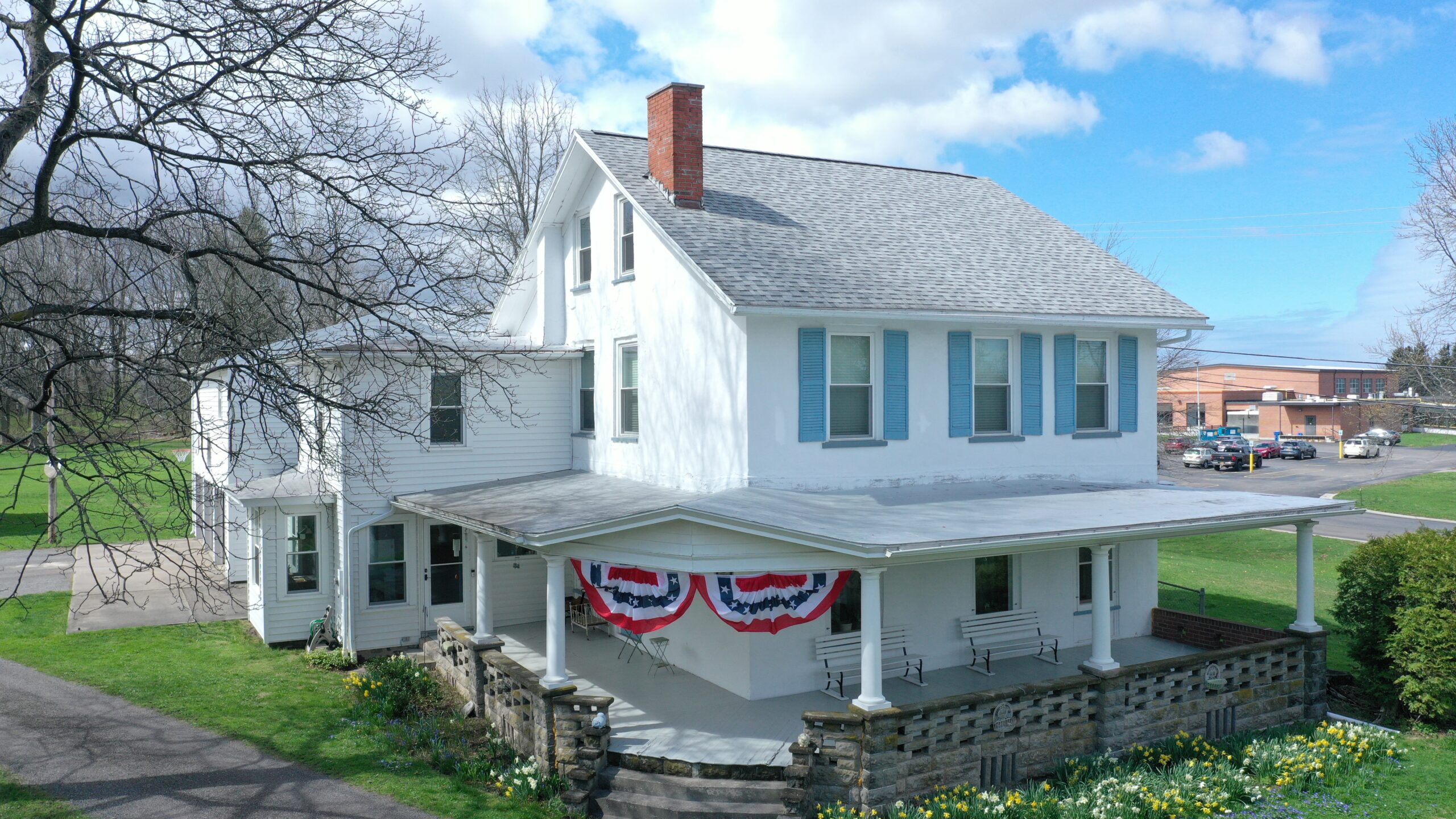
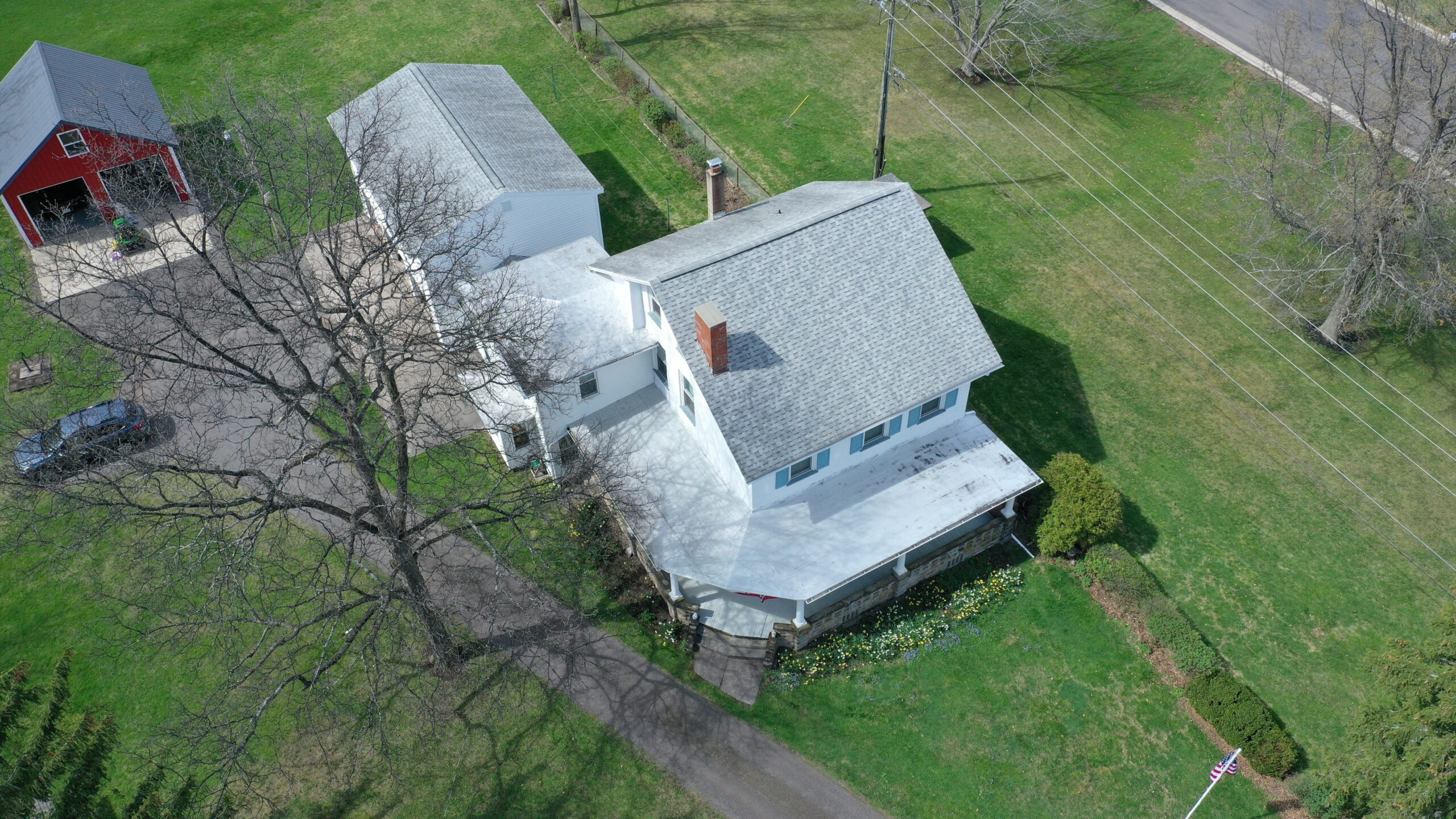
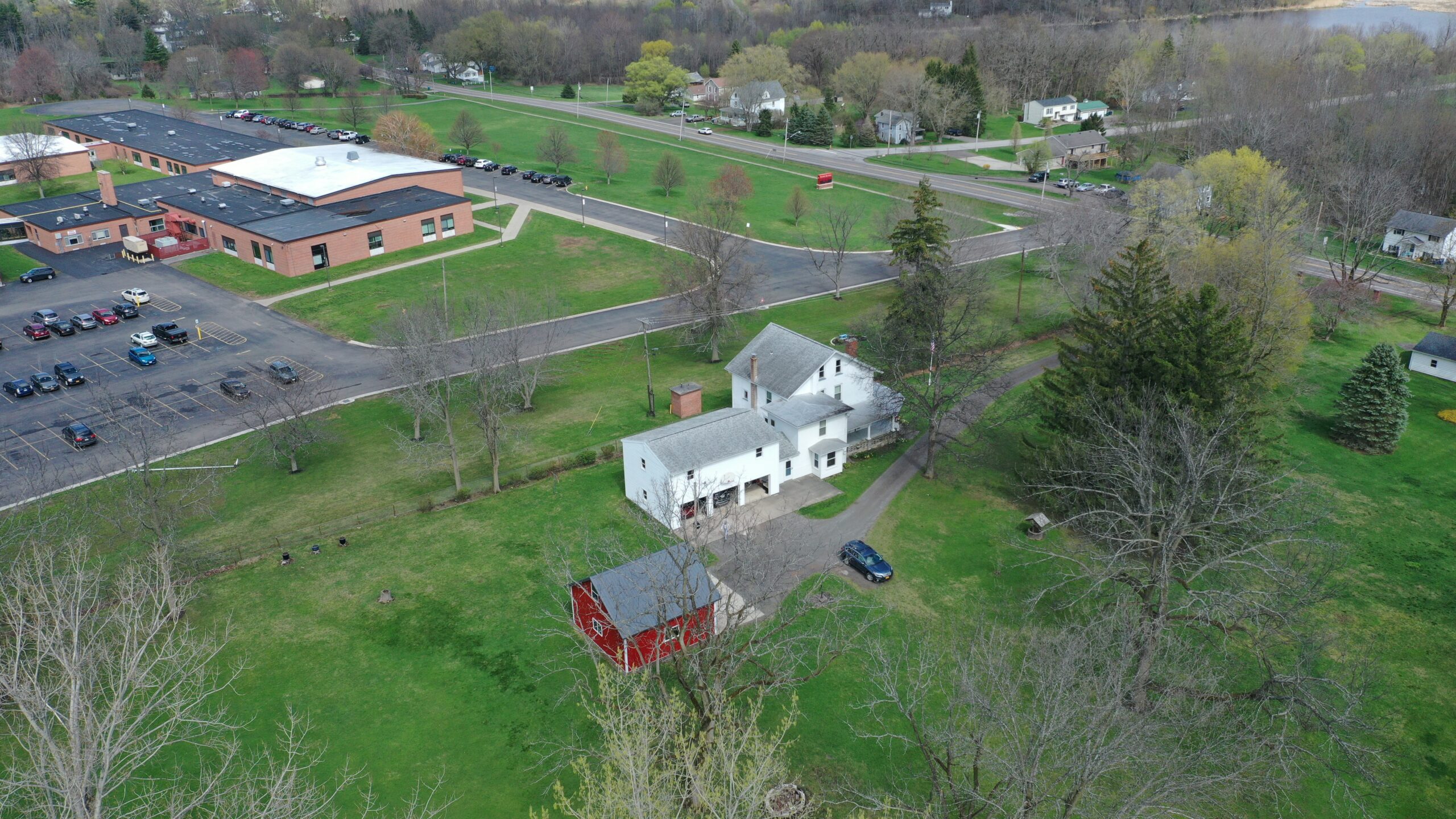
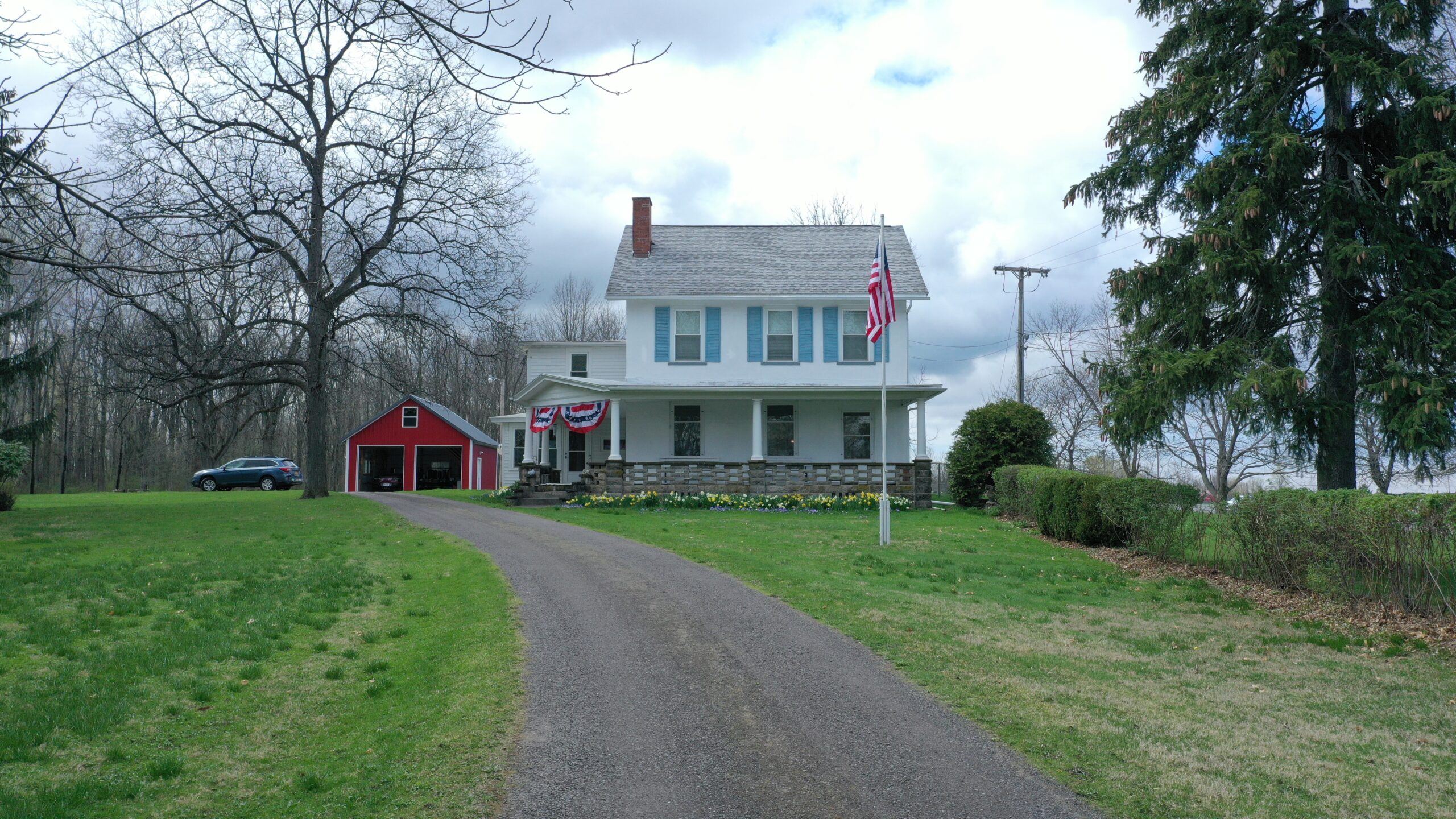
“This three-story fieldstone house with its 18-inch-thick walls now covered with stucco was built by Griffith Cooper, a Quaker and active abolitionist, in 1838. According to oral traditions, fugitive slaves were hidden in a secret chamber in the attic. In the 1950s, David Oakleaf, whose parents owned the home at the time, found small doors on the east and west sides of the attic—doors that were blocked by large boxes. Each door led to a triangular space formed by the roofline. David Oakleaf crawled along the passageway and found a chamber that could accommodate 8 to 10 people for short periods of time with much room to spare. David’s grandmother, Irilene Oakleaf, told him a story passed on to her by her great-grandfather, Griffith Cooper. The story goes like this: Once slavecatchers came to the farmhouse looking for escaped slaves. Suspecting that the escaped slaves were hidden in a pile of hay, the slave catchers plunged their swords into the haystack. They left without finding any fugitive slaves. In fact, however, several fugitive slaves were hiding in the hay, and one of them had been stabbed and injured severely. However, he didn’t cry out, and he didn’t give away his presence and that of his friends.”
Walter Gable. Uncovering the Underground Railroad in the Finger Lakes
Griffith Cooper House
5825 Rt. 21, Williamson, NY